Download Gyan Bharat App
Download


Loading blogs…


The Union Public Service Commission (UPSC) Civil Services Examination is one of the most prestigious and competitive examinations in India. Every year, lakhs of aspirants dream of becoming IAS, IPS, IFS, and other civil servants. However, many beginners often get confused about where to start their preparation.
The answer is simple: start with NCERT books.
NCERT textbooks provide a strong foundation for understanding basic concepts across subjects such as History, Geography, Economics, Polity, Science, and Environment. Even UPSC toppers recommend beginning preparation with NCERT books before moving to advanced reference materials.
If you are targeting UPSC 2027, this comprehensive roadmap will help you understand how to effectively use NCERT books and build a strong preparation strategy.
NCERT books are considered the backbone of UPSC preparation because they explain concepts in a simple and structured manner.
7. Many UPSC questions are directly or indirectly based on NCERT concepts. Therefore, skipping NCERTs can create gaps in understanding important topics.
The ideal preparation journey can be divided into four stages.
| Preparation Stage | Duration | Main Objective |
|---|---|---|
| Foundation Building | 6 Months | Complete NCERTs |
| Core Preparation | 8 Months | Standard Books |
| Advanced Preparation | 6 Months | Current Affairs + Answer Writing |
| Revision & Mock Tests | Final 4 Months | Practice & Revision |
Before reading advanced books, complete important NCERTs from Classes 6 to 12.
While reading history NCERTs:
For Geography:
For Economics:
For Political Science:
| Time | Activity |
|---|---|
| 6:00 AM - 8:00 AM | NCERT Reading |
| 9:00 AM - 11:00 AM | Optional Subject |
| 12:00 PM - 1:00 PM | Newspaper Reading |
| 2:00 PM - 4:00 PM | Static Subject Study |
| 5:00 PM - 6:00 PM | Revision |
| 7:00 PM - 8:00 PM | Current Affairs Notes |
| 9:00 PM - 10:00 PM | MCQ Practice |
Many students spend too much time collecting study materials rather than studying them.
Avoid these mistakes:
Consistency is more important than studying for long hours.
Once NCERTs are completed, move to standard UPSC books.
| Subject | Recommended Book |
|---|---|
| Polity | M. Laxmikanth |
| Modern History | Spectrum |
| Geography | G.C. Leong |
| Economy | Indian Economy by Ramesh Singh |
| Environment | Shankar IAS |
| Ethics | Lexicon |
| Current Affairs | Newspaper + Monthly Magazine |
UPSC is not only about static knowledge. Current events play a major role in both Prelims and Mains examinations.
7. Maintain concise notes for revision.
Answer writing should begin after building a basic understanding of the syllabus.
6. Regular answer writing improves speed and analytical thinking.
A simple formula can guide your preparation:
NCERT + Standard Books + Current Affairs + Revision + Mock Tests + Consistency = UPSC Success
Most successful candidates focus on limited resources and revise them multiple times rather than continuously adding new materials.
NCERT books are the foundation of UPSC preparation. Aspirants targeting UPSC 2027 should begin their journey with NCERT textbooks and gradually move towards standard reference books. A structured study plan, regular revision, answer writing practice, and current affairs preparation can significantly improve the chances of success.
Remember that UPSC is a marathon, not a sprint. Consistent efforts over time produce better results than short bursts of intense study. Start early, remain disciplined, and trust the preparation process.
No. NCERT books build the foundation, but standard reference books and current affairs are also necessary.
History, Geography, Economics, Political Science, and Science NCERTs from Classes 6 to 12 are highly important.
Most aspirants can complete NCERTs in 3 to 6 months with proper planning.
Yes. Short notes help in quick revision before examinations.
Yes. Current affairs are an important part of both Prelims and Mains examinations.
Yes. NCERT books are considered the best starting point for beginners.
Quality matters more than quantity. Consistent study of 6–8 focused hours can be highly effective.
After completing basic NCERTs and understanding the syllabus.

When preparing for a competitive exam, understanding the syllabus is just as important as studying the right books. The UPSC CMS syllabus acts as a roadmap, helping you focus on the topics that actually matter instead of wasting time on unnecessary content.
Once you are familiar with the exam pattern, the next logical step is to go deeper into what you need to study. The syllabus is directly linked to the paper structure and subjects covered, making it easier to plan your preparation in a more structured and efficient way.
For the UPSC CMS 2026 syllabus, the topics are based on the MBBS curriculum and are designed to test both conceptual clarity and practical understanding. Having a clear idea of the syllabus from the beginning can give you a strong advantage and help you stay on the right track throughout your preparation.
Before delving into subject-wise details, it’s helpful to understand the structure of the UPSC CMS syllabus. The exam is divided into two papers, each covering specific subjects from the MBBS curriculum. This division ensures a balanced assessment of both clinical and public health knowledge.
Here’s a quick overview of the UPSC CMS subject-wise syllabus:
Paper | Subjects Covered | Marks |
| Paper I | General Medicine, Pediatrics | 250 |
| Paper II | Surgery, Gynecology & Obstetrics, Preventive & Social Medicine | 250 |
This structure facilitates planning your preparation by focusing on one group of subjects at a time, while ensuring equal attention to both papers.
To plan your preparation effectively, it’s important to understand the approximate distribution of marks across subjects. While the exact number of questions may vary slightly each year, this estimated UPSC CMS syllabus weightage gives you a practical idea of where to focus more.
Subject | Approx Weightage |
| General Medicine | 40–45% |
| Pediatrics | 5–10% |
| Surgery | 20–25% |
| Gynecology & Obstetrics | 15–20% |
| Preventive & Social Medicine | 10–15% |
From this distribution, it’s clear that General Medicine carries the highest weightage, making it a priority area during preparation. At the same time, subjects like Surgery and Gynecology also contribute significantly and should not be ignored.
Keep in mind that this is an approximate breakdown based on previous trends, so it’s always best to prepare all subjects thoroughly while giving extra attention to high-weightage areas.
The General Medicine section forms the largest portion of the exam and plays a crucial role in scoring well. The UPSC CMS medicine syllabus focuses on core clinical concepts, diagnosis, and management of common diseases.
Here’s a structured breakdown of the important topics:
This section requires strong conceptual clarity along with the ability to apply knowledge in clinical scenarios. Focusing on high-yield topics and regular revision can significantly improve your performance in this part of the exam.
The Pediatrics section focuses on the health and medical care of infants and children. In the exam, questions are usually concept-based and revolve around common clinical scenarios. The UPSC CMS pediatrics syllabus is relatively smaller compared to Medicine, but still important for overall scoring.
Here are the key areas to focus on:
A clear understanding of basic concepts and regular revision is enough to score well in this section, as most questions are direct and application-based.
The Surgery section tests your understanding of basic surgical principles and the management of common surgical conditions. The UPSC CMS surgery syllabus is more concept-driven, focusing on clinical application rather than deep theoretical details.
Here are the key areas to cover:
Focusing on fundamental concepts and commonly asked clinical scenarios can help you perform well in this section.
This section focuses on women’s health, covering both pregnancy-related care and common gynecological conditions. The UPSC CMS gynecology syllabus emphasizes fundamental concepts and clinical understanding.
Key areas to prepare include:
A clear grasp of basic concepts and clinical applications is usually sufficient to score well, as most questions are straightforward and based on commonly seen scenarios.
Preventive & Social Medicine is a scoring subject if prepared well, as many questions are direct and concept-based. The UPSC CMS PSM syllabus focuses on public health principles and their practical application in community settings.
Key areas to cover include:
With regular revision and clarity of concepts, this section can help you boost your overall score, as many questions are straightforward and predictable.
While the syllabus is broad, focusing on high-yield areas can significantly improve your score. Based on previous trends, certain topics are asked more frequently and should be given extra attention during preparation.
Here are some important topics from each subject:
Focusing on these areas alongside your full syllabus coverage can help you prioritize better and improve your efficiency during revision.
Covering the syllabus efficiently is not about studying more—it’s about studying smart. A clear strategy, regular revision, and proper use of previous year questions can make a big difference in your preparation.
Study Strategy
Revision Approach
Integration with PYQs (Previous Year Questions)
A balanced approach that combines smart study, consistent revision, and regular practice will help you cover the syllabus more effectively and improve your overall performance.
While preparing, many students make avoidable mistakes that slow down progress and affect their final score. Being aware of these can help you stay on the right track.
Avoiding these mistakes will make your preparation more effective and help you cover the syllabus in a structured and confident manner.
The UPSC CMS syllabus may seem vast at first, but with a clear understanding of subjects and their weightage, it becomes much more manageable. Focusing on high-yield topics, maintaining consistency, and revising regularly can make your preparation more effective.
Instead of trying to cover everything at once, follow a structured study approach—divide the syllabus, prioritize important areas, and integrate practice along the way. This will help you stay organized and confident throughout your preparation journey.
👉 Next Steps:
These will help you take the next step and build a strong, result-oriented preparation plan.

If you are preparing for the UPSC CMS exam, one of the most important things to understand at the beginning is the exam pattern. The Combined Medical Services Examination, conducted by the Union Public Service Commission, is designed to test your medical knowledge through a structured and objective format.
Having a clear idea of the UPSC CMS exam pattern helps you plan your preparation more effectively. It provides insight into how the paper is structured, the types of questions asked, and how marks are allocated. Without understanding the UPSC CMS paper pattern, even well-prepared candidates may struggle with time management and accuracy during the exam.
For the 2026 cycle, staying updated with the latest pattern is essential, as it allows you to align your preparation with the current format and avoid surprises on exam day.
Before diving into the detailed paper structure, it’s essential to gain a clear understanding of how the exam is designed. Understanding the overall format of the UPSC CMS exam pattern helps you build the right preparation strategy from the start. It gives you clarity on how the exam is conducted, how much time you get, and how marks are distributed.
Here’s a quick overview of the UPSC CMS paper pattern for 2026:
Feature | Details |
| Mode | Computer-Based Test (CBT) |
| Papers | Paper I & Paper II |
| Duration | 2 hours each |
| Total Marks | 500 |
| Question Type | Multiple Choice Questions (MCQs) |
This overview gives you a basic understanding of the exam format, making it easier to plan your preparation in a structured and focused way.
To prepare effectively, it’s important to understand how the exam is divided across the two papers. The UPSC CMS exam pattern is structured in a way that covers all major clinical subjects from the MBBS curriculum, ensuring a balanced assessment of your knowledge.
Here’s a clear breakdown of the UPSC CMS paper pattern:
Paper | Subjects Covered |
| Paper I | General Medicine & Pediatrics |
| Paper II | Surgery, Gynecology & Obstetrics, Preventive & Social Medicine |
Each paper focuses on specific subject areas, so having clarity on this structure helps you allocate your study time accordingly. This division also makes it easier to plan subject-wise preparation and revision.
To understand the UPSC CMS exam pattern better, it’s important to know the key subjects covered in the exam. These subjects are based on the MBBS curriculum and test both theoretical understanding and practical application.
Here’s a brief overview of each subject included in the UPSC CMS paper pattern:
Having clarity on these subjects helps you align your preparation with the actual scope of the exam and ensures balanced coverage across all areas.
Understanding the marking system is crucial for scoring well, as it directly impacts how you attempt questions in the exam. The UPSC CMS marking scheme is straightforward but requires careful attention due to negative marking.
Here’s a clear breakdown of the UPSC CMS exam pattern in terms of marking:
Criteria | Details |
| Correct Answer | +1 mark |
| Incorrect Answer | -0.33 mark |
| Total Marks | 500 |
Each correct answer adds to your score, while incorrect answers lead to a penalty. This makes accuracy just as important as speed. Having a clear understanding of the marking system will help you make better decisions during the exam, especially when you are unsure about a question.
Time plays a crucial role in your performance, especially when following the UPSC CMS exam pattern. The exam consists of two papers, and each paper is conducted for a duration of 2 hours.
Since each paper contains a large number of questions, you get limited time per question, making it important to balance both speed and accuracy. Spending too much time on a single question can affect your ability to attempt the entire paper.
To perform well, you should:
In simple terms, smart time management can significantly improve your overall score, even if your preparation level is the same as others.
Negative marking is an important part of the UPSC CMS marking scheme, and understanding it can help you avoid unnecessary loss of marks.
For every incorrect answer, 0.33 marks are deducted, while correct answers carry +1 mark. Un-attempted questions do not lead to any penalty.
This shows how a few wrong answers can reduce your overall score.
A clear understanding of negative marking helps you make smarter decisions during the exam and maximize your final score.
Before you move ahead with your preparation, here are the most important takeaways from the UPSC CMS exam pattern:
These key points give you a quick overview of how the exam works and what to expect on the actual exam day. Understanding this structure will help you plan your preparation more effectively.
While preparing according to the UPSC CMS exam pattern, many students make avoidable mistakes that can impact their final score. Being aware of these can help you perform better on exam day.
Avoiding these mistakes will help you make better decisions during the exam and improve your overall efficiency.
Understanding the exam pattern is a crucial step in your UPSC CMS preparation journey. From knowing how the papers are structured to understanding the marking system and time limits, having clarity on these aspects helps you approach the exam with confidence.
Once you are familiar with the pattern, the next step is to plan your preparation accordingly. A well-structured strategy based on the actual exam format can make your study more focused and effective.
👉 Next Steps:
These will help you build a strong foundation and move forward in a more organized way.

If you want to take the UPSC CMS exam, the first thing you should do is understand the eligibility criteria. The Combined Medical Services (CMS) Exam, run by the Union Public Service Commission, is a popular choice for medical professionals looking for government jobs.
Before you start preparing, make sure you know the basic requirements for age, qualifications, and internship. Many candidates skip this step and end up confused during the application process.
For the 2026 cycle, the written examination is scheduled to be held on August 2, 2026, with a total of 1,358 vacancies announced across various government medical services. This presents a significant opportunity for MBBS students, interns, and graduates planning their next career step.
Having clarity on the eligibility criteria at an early stage will help you plan your preparation effectively and avoid unnecessary mistakes later.
For the 2026 cycle, a total of 1,358 vacancies have been announced across different government medical services. Understanding the distribution of these posts can help candidates get a clearer idea of available opportunities.
Department | Vacancies |
| Railways | 450 |
| Central Health Services | 864 |
| Other Services | Remaining posts |
These vacancies are spread across key government departments, offering candidates the chance to work in diverse healthcare settings. Knowing this distribution can also help you understand the scope of roles available after selection.
The UPSC CMS eligibility criteria refer to the set of conditions defined by the Union Public Service Commission that candidates must meet to be eligible to apply for the Combined Medical Services Examination. These criteria mainly include educational qualifications, age limits, and nationality requirements.
Understanding these requirements is crucial before completing the application form. It ensures that you meet all the necessary conditions and helps you avoid issues such as application rejection or disqualification at a later stage.
In simple terms, the eligibility criteria act as a basic filter to ensure that only qualified medical candidates apply for the exam. For anyone planning to appear, having clarity on these aspects is just as important as starting preparation, especially when it comes to meeting the required academic standards in India.
Before going into detailed explanations, here’s a quick snapshot to help you understand the basic requirements at a glance:
Criteria | Details |
| Age Limit | Generally up to 32 years (age relaxation applicable for reserved categories) |
| Educational Qualification | MBBS degree from a recognized university |
| Internship | Must have completed or be completing internship within the specified time |
| Nationality | Indian citizen or as per government eligibility rules |
| Total Vacancies | 1,358 posts (2026 cycle) |
This overview gives a clear idea of the key requirements candidates need to fulfill before applying. It is especially useful for MBBS students who are planning ahead and want a quick understanding of the overall criteria.
One of the most important parts of the UPSC CMS eligibility criteria is the educational qualification. Since this exam is meant for medical professionals, candidates must meet specific academic requirements.
To apply, a candidate must have an MBBS degree from a recognized university. It is essential that both the written and practical components of the final MBBS examination are completed successfully.
Students who are in their final year of MBBS are also eligible to apply. However, they must provide proof of passing the final examination within the timeline specified in the official notification.
Another key condition relates to the internship requirement. Candidates must have completed, or be in the process of completing, their compulsory rotating internship. The final appointment is subject to fulfilling this condition within the given deadline.
Overall, the academic requirements are straightforward, but it is important to carefully check each condition before applying to ensure a smooth application process.
The age requirement is an important part of the UPSC CMS eligibility criteria. Candidates must ensure they fall within the prescribed limit before applying.
For most posts, the upper age limit is 32 years, which applies to the general category. However, there are relaxations provided for reserved categories as per government rules.
Category | Age Relaxation |
| General | Up to 32 years |
| OBC | 3 years |
| SC/ST | 5 years |
| PwD | 10 years |
These relaxations make the exam more accessible to candidates from different backgrounds. It’s important to check the official notification each year, as specific conditions may vary slightly depending on the post.
Having clarity on the UPSC CMS age limit helps you plan your attempts effectively and avoid last-minute confusion.
Nationality is another important aspect of the UPSC CMS eligibility criteria. Candidates must meet the conditions specified by the Union Public Service Commission to apply for the exam.
Primarily, a candidate should be an Indian citizen. However, certain other categories are also considered eligible under government rules. These may include:
These provisions ensure that individuals with valid legal status and a connection to India can apply for the examination.
It is always advisable to refer to the official notification for detailed and updated guidelines, as the eligibility conditions are defined according to government policies.
To make things easier, here’s a simple checklist based on the UPSC CMS eligibility criteria. If you meet these conditions, you are eligible to apply:
In short, if you are a medical graduate or an MBBS student nearing completion of your degree, you are likely eligible for the exam.
It’s also important to note that the eligibility conditions are the same for all candidates, including male and female applicants. So if you’re wondering who is eligible for the UPSC CMS exam, the answer is simple—any candidate who meets these academic, age, and nationality requirements can apply.
This simplified view of the UPSC CMS eligibility helps you quickly assess your status before moving ahead with preparation.
While applying for the exam, many candidates overlook small details in the UPSC CMS eligibility criteria, which can lead to problems later. Being careful at this stage can save you from unnecessary stress.
Avoiding these common errors is especially important for MBBS students, as even a small oversight in understanding the UPSC CMS eligibility criteria for MBBS students can affect your application process.
Understanding the eligibility criteria is the first and most important step before applying for the UPSC CMS exam. From educational qualifications and internship requirements to age limits and nationality, each aspect plays a crucial role in determining whether you can apply.
Before moving ahead, always make sure to check the official notification released by the Union Public Service Commission. This helps you stay updated with the latest rules and avoid any confusion during the application process.
With 1,358 vacancies available in the 2026 cycle, this is a great opportunity for medical graduates to secure a government position. If you meet all the requirements, you’re ready to take the next step in your preparation journey.
👉 Stay tuned for the next blog on UPSC CMS preparation strategy, where we’ll cover how to start and plan your study effectively.
Here are answers to some of the most frequently asked questions related to the UPSC CMS eligibility criteria:
Can interns apply for UPSC CMS?
Yes, interns are eligible to apply. Candidates who are currently completing their internship can appear for the exam, provided they finish the internship within the timeline mentioned in the official notification. This makes it easier for students to apply without waiting an extra year.
Is MBBS compulsory for UPSC CMS?
Yes, an MBBS degree is mandatory. Only candidates who have completed or are in the final stage of their MBBS program can apply. This ensures that all applicants have the required medical knowledge and training.
Can final year students apply for UPSC CMS?
Yes, final year MBBS students can apply. However, they must pass their final examinations before the specified deadline. This answers a common query: can final year students apply for UPSC CMS—the answer is yes, with conditions.
Is there any attempt limit for UPSC CMS?
No, there is no fixed number of attempts for this exam. You can apply as many times as you want, as long as you meet the age and other eligibility conditions.
These clarifications help remove common confusion and give you a better understanding of whether you meet the requirements before applying.

If you are a medical student or graduate looking for a stable and respectable career path, the UPSC CMS exam could be the opportunity you’ve been searching for. The Combined Medical Services (CMS) Examination is conducted by the Union Public Service Commission to recruit qualified doctors into various central government departments and services.
This blog is especially useful for MBBS students, interns, and medical graduates who are exploring career options beyond clinical practice or private hospitals. If you are interested in serving in government healthcare systems while enjoying job security and structured career growth, UPSC CMS is worth considering.
One of the biggest advantages of this career path is the stability it offers. Along with a secure government job, candidates benefit from a fixed salary, work-life balance, and additional perks that are often not available in the private sector. For many aspiring doctors, it provides the perfect balance between professional satisfaction and personal well-being.
UPSC CMS, or the Combined Medical Services Examination, is a national-level recruitment exam conducted by the Union Public Service Commission. It is specifically designed to select qualified medical professionals for various posts under the central government.
The primary purpose of UPSC CMS is to recruit doctors into key government healthcare services, ensuring quality medical support across different departments. Through this exam, candidates can secure positions in organizations such as the Railways, Central Health Services, and other government institutions.
Some of the common posts offered through UPSC CMS include:
UPSC CMS is an excellent opportunity for medical graduates who aspire to build a stable and rewarding career in the public sector. It opens the door to becoming a government doctor, allowing you to serve the community while working within well-established healthcare systems.
One of the biggest advantages of clearing this exam is job security. Unlike the private sector, government positions offer a fixed salary, regular promotions, and additional benefits such as allowances, pensions, and leave policies. This financial stability makes it a highly attractive career option.
Another important factor is the better work-life balance. Compared to the often demanding and unpredictable schedules in private hospitals, government medical roles generally provide more structured working hours, giving you time for personal life and well-being.
Along with stability, UPSC CMS also offers respect and long-term career growth. Working in government healthcare not only allows you to contribute to public service but also provides opportunities to grow professionally through promotions and experience in diverse medical settings.
A major highlight of this career is the Pay Level 10 status under the 7th Pay Commission. With a basic pay of ₹56,100, combined with Non-Practicing Allowance (NPA) and city-specific HRA, a fresh CMS officer in a Class A city like Delhi or Mumbai can expect a gross monthly salary of approximately ₹95,000 to ₹1,05,000.
In simple terms, UPSC CMS is not just an exam—it’s a pathway to a secure, respected, and balanced medical career.
To understand the structure of the UPSC CMS exam, here’s a quick overview presented in a simple table:
Feature | Details |
|---|---|
| Mode of Exam | Computer-Based Test (CBT) |
| Papers | Two Papers (Paper I & Paper II) |
| Duration | 2 hours per paper |
| Total Marks | 500 Marks (250 marks each paper) |
| Question Type | Multiple Choice Questions (MCQs) |
| Subjects (Paper I) | General Medicine & Pediatrics |
| Subjects (Paper II) | Surgery, Gynecology & Obstetrics, Preventive & Social Medicine |
The exam is designed to test a candidate’s understanding of core medical subjects based on the MBBS curriculum. Each paper is conducted separately, and candidates need to perform well in both to move forward in the selection process.
Before applying for the UPSC CMS exam, candidates must meet certain eligibility requirements set by the Union Public Service Commission:
Understanding these criteria ensures that you are eligible to apply and helps you plan your application process without any confusion. Check the UPSC CMS eligibility criteria before applying thoroughly.
The UPSC CMS syllabus is based on the standard MBBS curriculum, making it familiar for medical students and graduates. The exam is designed to test your understanding of core clinical subjects and their practical application.
Here’s a high-level overview of the syllabus:
💡 Tip: Since the syllabus aligns closely with MBBS studies, focusing on your core concepts and standard textbooks can give you a strong advantage.
UPSC CMS is an excellent career option for medical professionals who want to work in the government sector and contribute to public healthcare. It is best suited for those who value stability, structured growth, and service to society.
UPSC CMS is ideal for those who want to combine medical knowledge with a stable career in the public sector while making a meaningful impact on community health.
The selection process for UPSC CMS is conducted in two main stages by the Union Public Service Commission and is designed to assess both your medical knowledge and overall suitability for a government role.
Candidates who rank high in the merit list are allotted posts in various government medical services.
Starting your UPSC CMS preparation doesn’t require a complicated plan. As a beginner, your focus should be on strengthening fundamentals and building a consistent routine.
👉 Keep your approach simple and focused in the beginning. Once your basics are clear, you can gradually move to more advanced preparation techniques.
UPSC CMS is a great opportunity for medical graduates who are looking to build a stable and rewarding career in the government sector. From understanding the exam structure and eligibility criteria to knowing the syllabus and preparation strategy, having the right direction from the beginning can make your journey much smoother.
The key takeaway is to focus on your MBBS fundamentals, stay consistent, and practice regularly. Since the exam is concept-based, a strong foundation combined with proper revision can significantly improve your chances of success.
If you are serious about securing a government medical job, don’t delay—start your preparation early and build a steady routine.
The UPSC Combined Medical Services (CMS) 2026 written examination is scheduled to be held on August 2, 2026. The exam is conducted in two sessions (Paper I and Paper II) on the same day.
Under the 7th Pay Commission, selected candidates are usually appointed at Pay Level 10. The basic starting salary is ₹56,100, but with Non-Practicing Allowance (NPA), DA, and HRA, the gross monthly in-hand salary often exceeds ₹95,000–₹1,10,000 depending on the city of posting.
Yes. Students appearing for their final MBBS examination are eligible to apply. However, you must provide proof of passing the written and practical parts of the exam before the UPSC Personality Test (Interview) stage.
Yes, there is a penalty for wrong answers. For every incorrect response, one-third (1/3rd) of the marks assigned to that question will be deducted.
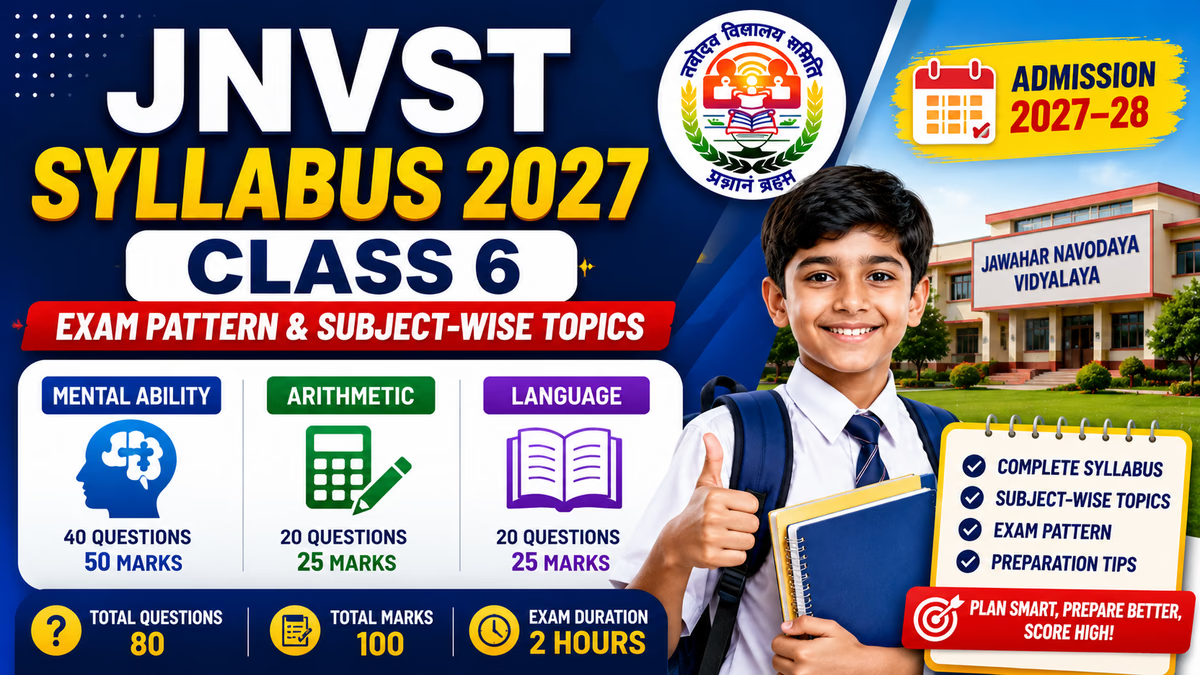
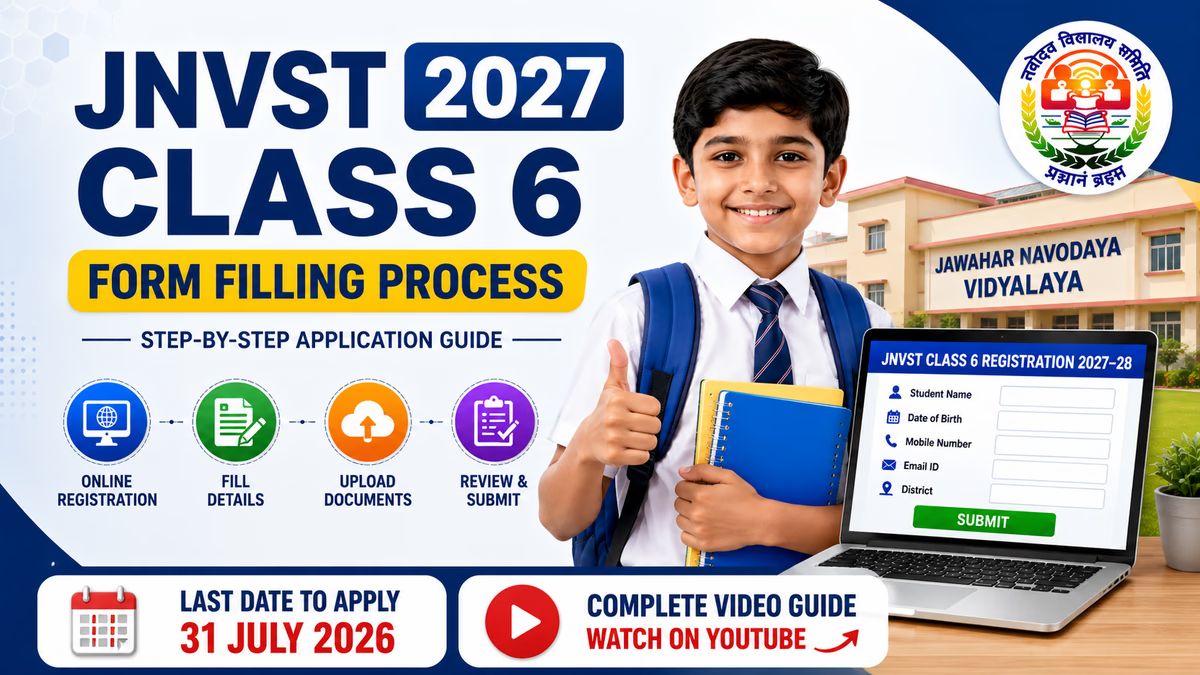
, exam pattern, and step-by-step registration guide..avif)
 Class 7th CBSE Board
 CLASS 8th CBSE BOARD
 NEET UG